
Minimally invasive spine surgery (MISS) is a modern surgical technique that uses smaller incisions and muscle-sparing approaches to treat a wide range of spinal conditions. This advanced approach typically results in less blood loss, reduced postoperative pain, faster recovery, and shorter hospital stays compared to traditional open surgery.
Dr. Rajesh Bindal, board-certified neurosurgeon at Texas Spine & Neurosurgery in Sugar Land, is a pioneer in minimally invasive back surgery in Texas. He performed the first minimally invasive spinal decompression and lumbar fusion in Fort Bend County, and has published extensively on techniques to improve the safety and precision of MISS.

How Minimally Invasive Spine Surgery Works
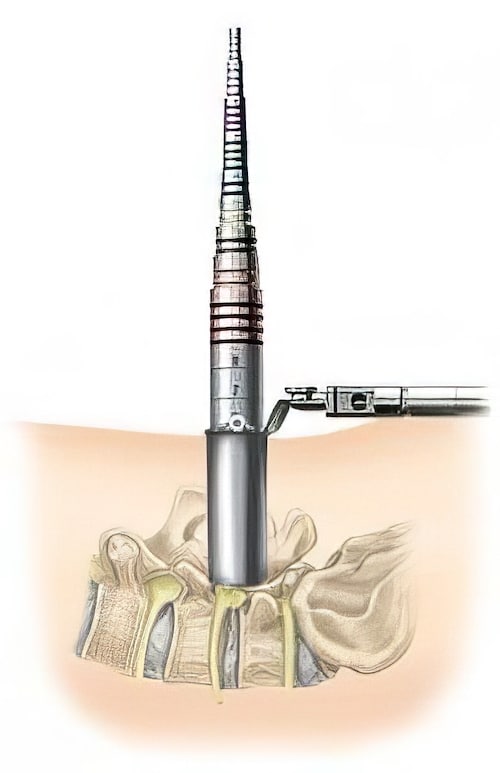
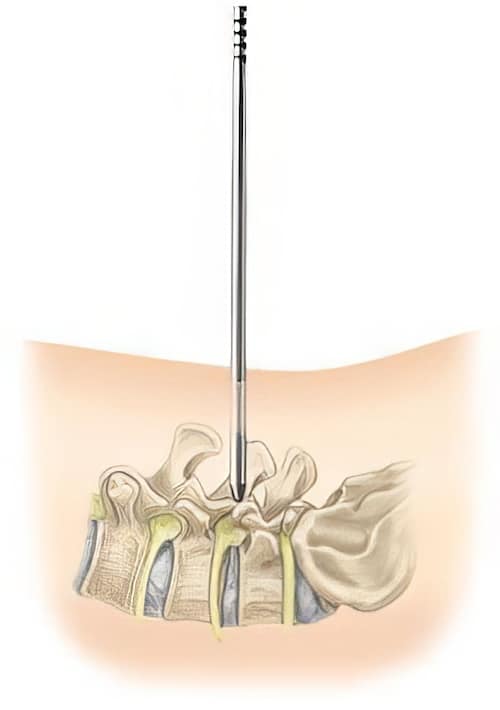
Minimally invasive spine surgery typically involves:
- A small incision near the surgical site
- Use of tubular retractors to gently separate (not cut) muscle tissue
- A surgical microscope for improved visualization
- Specialized surgical instruments to access the spine with precision
- Fluoroscopy (intraoperative X-ray) to confirm accurate placement
This approach preserves muscle structure, reduces tissue trauma, and results in smaller scars and quicker return to activity.
Conditions Treated with Minimally Invasive Spine Surgery
Dr. Bindal uses minimally invasive techniques to treat a variety of spinal conditions, particularly in the lumbar spine:
1. Herniated Disc
- Treated with microlumbar discectomy
- Often performed on an outpatient basis
- Rapid return to work, often within 1–2 weeks
2. Lumbar Spinal Stenosis
- Treated with minimally invasive laminectomy
- Typically requires outpatient .
3. Lumbar Instability or Spondylolisthesis
- Treated with minimally invasive lumbar fusion
- Bone grafts and titanium hardware stabilize the spine
- Less disruption to spinal anatomy, faster recovery
4. Vertebral Compression Fractures
- Treated with kyphoplasty, a procedure involving injection of bone cement
- Provides immediate pain relief and spinal support
- Performed through a minimally invasive approach
- Treated with minimally invasive laminectomy
- Typically requires only an overnight stay, even in elderly patients
- Excellent safety profile for patients in their 70s and 80s
Benefits of Minimally Invasive Spine Surgery
Compared to traditional open spine surgery, minimally invasive techniques offer:
- Smaller incisions and minimal scarring
- Less blood loss
- Reduced risk of infection
- Shorter hospital stay (often same-day discharge or overnight)
- Faster return to work and daily activities
- Lower postoperative pain and medication use
Is Minimally Invasive Spine Surgery Right for You?
While many patients benefit from MISS, not all conditions or body types are suitable. Patients with:
- Severe spinal deformities
- Scar tissue from previous surgeries
- Obesity that limits access
may require traditional open surgery. Dr. Bindal will evaluate your symptoms, imaging, and overall health to determine the best surgical approach for your condition.
What to Expect Before and After Minimally Invasive Spine Surgery
Before surgery, patients undergo a thorough evaluation that includes imaging studies, medical clearance if needed, and a detailed discussion about goals and expectations. Dr. Bindal reviews MRI or CT findings carefully to confirm that minimally invasive techniques can safely address the source of nerve compression or instability.
On the day of surgery, Dr. Bindal performs most procedures through small incisions using specialized instruments and imaging guidance. Many patients go home the same day or after a brief overnight stay, depending on the procedure’s complexity.
Recovery varies, but most patients begin walking within hours. Light daily activities typically resume within a few days. Driving and returning to work depend on the procedure performed and the patient’s recovery, but many patients return to non-physical work within a few weeks. Structured physical therapy often begins shortly after surgery to rebuild strength and protect long-term spinal health.
Why Choose Us For Spine Surgery?
Choosing the right spine surgeon matters. Dr. Rajesh Bindal is a board-certified neurosurgeon with more than 20 years of experience treating complex spinal conditions in Sugar Land and throughout the Houston area. Recognized by the Patients’ Choice Awards as one of Texas’s favorite physicians, he has built a reputation for precision, innovation, and patient-focused care.
Dr. Bindal performed the first minimally invasive spinal decompression and lumbar fusion in Fort Bend County and continues to lead the region in advanced spine techniques.
Dr. Bindal completed his undergraduate and medical training at Northwestern University through its Honors Program in Medical Education and earned election to Alpha Omega Alpha for academic excellence. He then completed a six-year neurological surgery residency with comprehensive training in cranial and spinal procedures. After returning to Fort Bend County, he established the area’s first full-time neurosurgical practice and helped develop advanced spine and neuroscience programs at Methodist Sugar Land. His leadership roles, surgical expertise, and commitment to innovation set a high standard for spine surgery in the region.
FAQs
How Do I Know If I Am a Candidate?
Many patients with herniated discs, spinal stenosis, or certain types of spinal instability may qualify for minimally invasive techniques. Candidacy depends on imaging findings, symptom severity, prior surgeries, and overall health. A detailed evaluation determines whether a muscle-sparing approach can safely address the condition.
Does Minimally Invasive Surgery Mean a Faster Recovery?
Many patients experience shorter hospital stays and quicker return to activity compared to traditional open surgery. Smaller incisions and limited muscle disruption often result in less postoperative discomfort. Recovery timelines still vary based on the procedure performed and individual healing factors.
Is Minimally Invasive Surgery as Effective as Open Surgery?
When appropriately selected, minimally invasive procedures achieve outcomes comparable to or superior to those of traditional approaches. The goal remains the same: decompress nerves, stabilize the spine when necessary, and restore function. Dr. Bindal selects the proper evidence-based technique based upon each patient’s unique spinal anatomy and specific diagnosis, not trends.
Will I Still Need Physical Therapy After Surgery?
Yes. Rehabilitation plays an important role in restoring strength, flexibility, and long-term spinal health. Even with advanced surgical techniques, guided recovery supports the best functional outcome.
“He did spine surgery on my in 6/2002 . He did a awesome job and less than 1 yr I was walking again . Been 15 yrs . no more wheel chair .”
Schedule Your Minimally Invasive Spine Surgery Consultation in Sugar Land, TX
If you’re suffering from chronic back pain, sciatica, spinal stenosis, or other spine conditions, Dr. Rajesh Bindal can help you explore whether minimally invasive spine surgery is the right option. With decades of experience and a commitment to innovation, Dr. Bindal offers safe, effective, and personalized care to help you get back to your life.
Call 281-313-0031 today to schedule your consultation at Texas Spine & Neurosurgery in Sugar Land, TX.
Check out our infographic to learn more about the Benefits of Minimally Invasive Spine Surgery!