
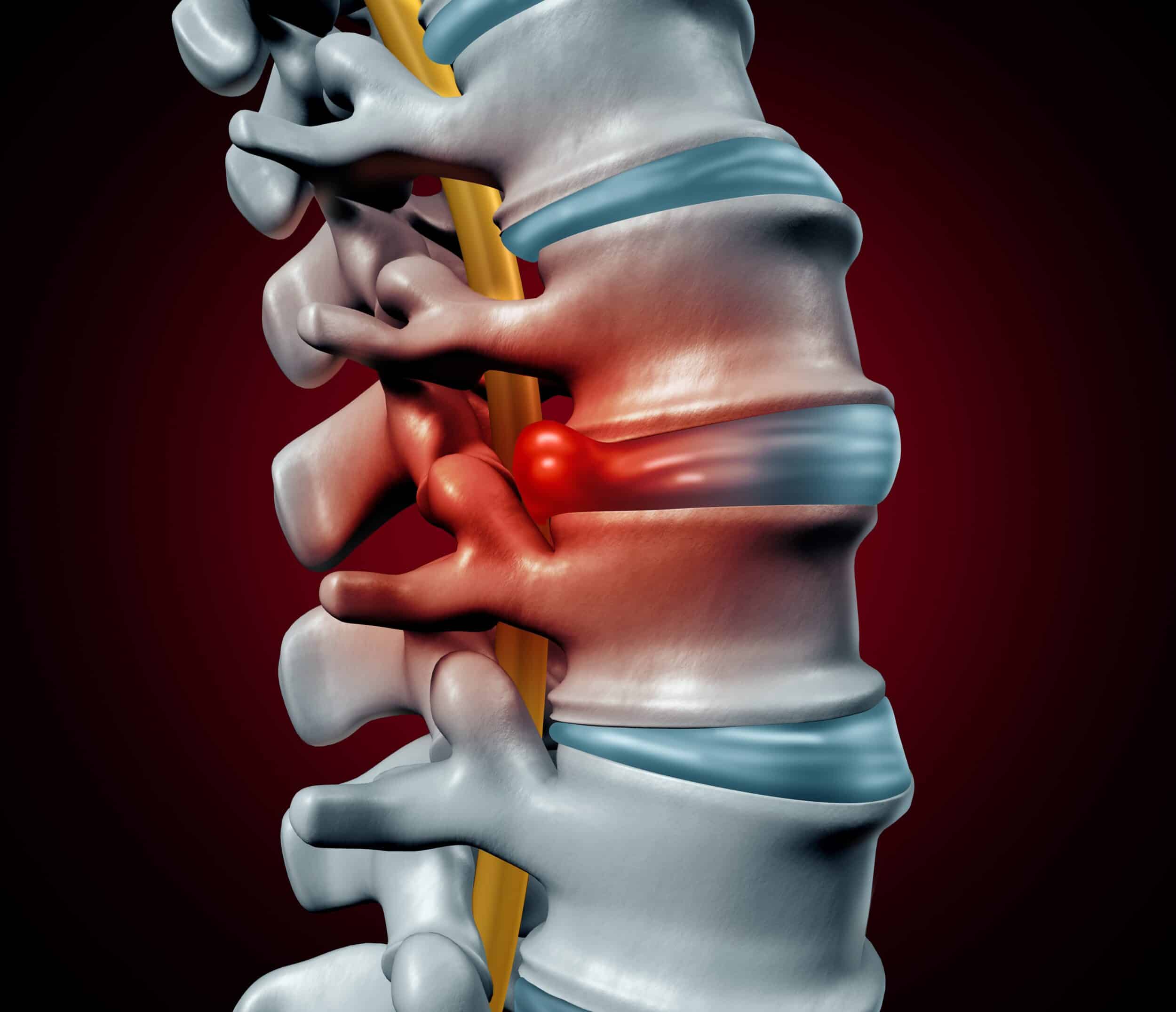
A herniated disc can cause sharp back pain, leg pain, numbness, or weakness that interrupts daily life. Many patients in Sugar Land wonder whether the problem will resolve without surgery. At Texas Spine & Neurosurgery Center, renowned board-certified neurosurgeon Dr. Rajesh Bindal carefully evaluates each case and recommends treatment based on symptoms, imaging, and functional outcomes. With more than 20 years of experience, he helps patients understand when conservative care is appropriate and when surgery becomes necessary for a herniated disc.
Can a Herniated Disc Improve Without Surgery?
In many cases, yes. A herniated disc occurs when the soft inner portion of a spinal disc pushes through its outer layer and irritates nearby nerves. This irritation often triggers inflammation, which significantly contributes to pain.
Over time, the body can gradually reabsorb some of the displaced disc material. As this happens, swelling decreases and the nerve becomes less compressed, so symptoms may steadily improve.
Conservative treatment can often help ease symptoms as the disc heals. It may include:
- Physical therapy to strengthen supporting muscles and improve flexibility
- Anti-inflammatory medications to reduce swelling around the nerve
- Activity modification to avoid movements that worsen symptoms
- Epidural steroid injections to calm nerve irritation
Many patients notice meaningful improvement within several weeks to a few months. Staying active within safe limits and following a structured therapy plan can support healing. If symptoms steadily improve and strength remains intact, continued nonsurgical care may be reasonable and effective.
When Surgery Becomes the Better Option
Not every herniated disc heals on its own. Persistent, severe pain that limits sleep, work, or mobility may indicate that the nerve remains compressed.
Progressive weakness, increasing numbness, or gait problems can point to worsening nerve involvement. Loss of bowel or bladder control requires immediate medical attention.
If conservative treatment fails to provide relief, minimally invasive spine surgery can remove the portion of the disc pressing on the nerve. Through a small incision, specialized instruments allow Dr. Bindal to decompress the nerve while expertly minimizing muscle disruption. This focused approach protects surrounding tissues and often allows patients to return home the same day; many experience a faster recovery and less postoperative discomfort than with traditional open surgery.
Dr. Bindal emphasizes minimally invasive techniques whenever appropriate, focusing on precise decompression that restores nerve function, improves mobility, and reduces the risk of long-term nerve damage.
Every herniated disc is different. The right treatment plan depends on the severity of nerve compression, your symptoms, and how your condition affects your daily life and overall function.
Herniated Disc Help Near Houston
If back or leg pain from a herniated disc is limiting your activities, call Texas Spine & Neurosurgery Center at 281-313-0031 to schedule a consultation with Dr. Bindal and learn more about herniated disc treatment options.