
Minimally Invasive Spine Fracture Treatment by Dr. Rajesh Bindal
Kyphoplasty is a minimally invasive surgical procedure used to treat vertebral compression fractures (VCFs)—collapses in the bones of the spine that often result in pain, height loss, and forward curvature of the spine. These fractures are commonly caused by osteoporosis or spinal tumors and can significantly affect mobility and quality of life.
At Texas Spine & Neurosurgery in Sugar Land, TX, Dr. Rajesh Bindal, a board-certified neurosurgeon, performs advanced balloon kyphoplasty to relieve pain, restore spinal alignment, and stabilize fractured vertebrae.
The Anatomy of a Spinal Compression Fracture
A spinal compression fracture occurs when pressure on a vertebra causes it to collapse partially, leading to loss of height and stability.
This most often happens when bone strength decreases, commonly due to osteoporosis. As bones weaken, routine movements such as bending, lifting, or twisting can place enough force on the spine to cause a fracture, sometimes without a clear injury or traumatic event.
Osteoporosis-related bone loss often progresses silently, meaning patients may not realize their bones are fragile until a fracture occurs. Once a vertebra collapses, it may lose height and disrupt normal spinal alignment.
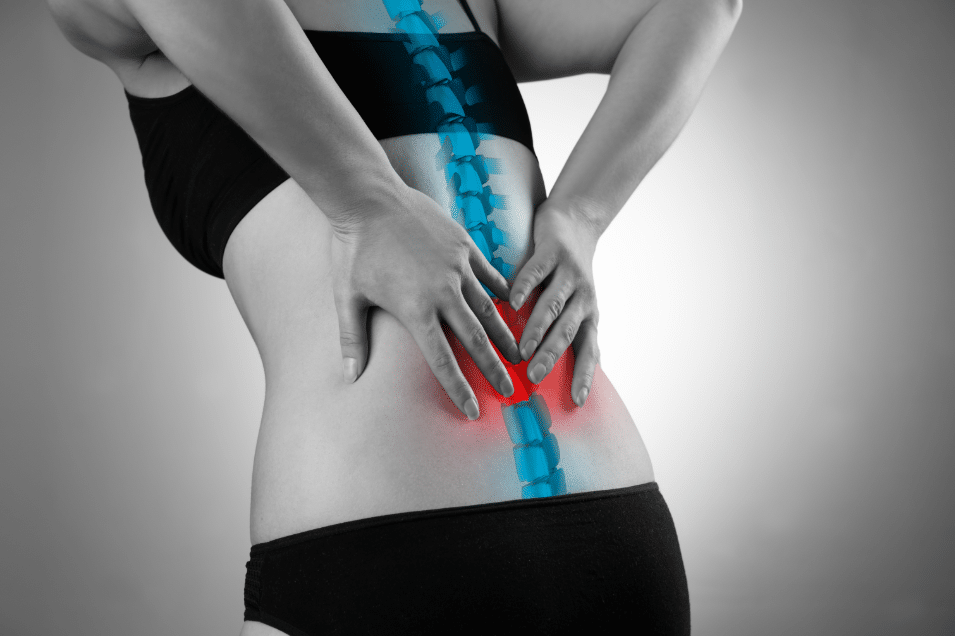
This change increases stress on surrounding muscles and joints, leading to ongoing pain, stiffness, and reduced mobility. Over time, untreated compression fractures can contribute to worsening posture, increased spinal curvature, and a higher risk of additional fractures, especially when underlying bone loss remains unaddressed.
What Causes Vertebral Compression Fractures?
Vertebral compression fractures can result from:
- Osteoporosis – a condition that weakens bones, making them more susceptible to collapse
- Metastatic tumors – cancers that spread to the bones and weaken spinal structure
- Trauma or injury – in patients with compromised bone density
If left untreated, a VCF may lead to chronic pain, loss of height, and progressive spinal deformity (kyphosis).
Diagnosing Compression Fractures in the Spine
Accurate diagnosis is essential when evaluating spinal compression fractures. Dr. Bindal uses a combination of clinical assessment and advanced imaging to determine whether a fracture is present and actively causing symptoms.
X-rays can show changes in vertebral shape and height, while MRI can help distinguish recent fractures from older, healed fractures. Identifying whether a fracture is acute matters because kyphoplasty works best when performed before the bone has fully healed. Imaging also helps evaluate bone quality, fracture stability, and overall spinal alignment to guide appropriate treatment decisions.
Advanced imaging also helps rule out other causes of back pain, such as degenerative disc disease or muscle strain, which may require different treatment approaches. By confirming that a compression fracture is the primary source of pain, diagnostic imaging allows for more targeted care and avoids unnecessary procedures that may not address the underlying problem.
What Is Balloon Kyphoplasty?
Balloon kyphoplasty is a specialized technique that uses a small balloon and bone cement to restore the vertebral body’s shape and height.
Procedure Overview:
- The patient lies face down on the surgical table under light sedation or anesthesia.
- Under real-time X-ray guidance, Dr. Bindal inserts a narrow tube into the collapsed vertebra.
- A balloon tamp is inserted through the tube and gently inflated. This restores the height and creates a cavity in the vertebra.
- Once the vertebral body is repositioned, the balloon is deflated and removed.
- The cavity is then filled with surgical bone cement, which quickly hardens and stabilizes the bone.
The skin is closed with a small stitch, and most patients go home the same day or within 24 hours.
Benefits of Kyphoplasty
- Rapid pain relief
- Improved spinal alignment
- Restored vertebral height
- Minimally invasive with short recovery time
- No need for extensive rehabilitation
Most patients return to normal daily activities shortly after the procedure and typically do not require physical therapy.
Kyphoplasty Compared to Vertebroplasty and Non-Surgical Care
Non-surgical treatment options such as rest, bracing, and pain medication may help manage symptoms in some patients early on. When pain persists or significantly limits daily activity, minimally invasive procedures may offer more effective relief.
Vertebroplasty stabilizes a fractured vertebra by injecting bone cement directly into the collapsed bone, but it doesn’t attempt to restore lost height.
Balloon kyphoplasty uses a small balloon to create space within the vertebra before cement is placed, helping restore vertebral height and improve alignment. For patients with ongoing pain or progressive collapse, kyphoplasty often provides more structural support than vertebroplasty or conservative care alone.
Follow-Up and Long-Term Care
While kyphoplasty effectively treats the current fracture, it does not stop the progression of osteoporosis. Dr. Bindal recommends:
- Ongoing treatment with bone-strengthening medications
- Regular monitoring of bone density
- Lifestyle adjustments to reduce the risk of future fractures
If additional vertebrae collapse in the future, kyphoplasty can often be safely repeated at those levels.
Why Choose Dr. Rajesh Bindal for Kyphoplasty
Dr. Rajesh Bindal is a board-certified neurosurgeon with extensive experience treating spinal conditions, including compression fractures. Based in Sugar Land, he provides care for patients throughout the Houston area seeking advanced spine treatment. Dr. Bindal trained at Northwestern University and has played a key role in advancing neurosurgical care in Fort Bend County, including helping establish regional spine programs and introducing minimally invasive techniques to the community.
His approach to kyphoplasty focuses on careful evaluation, precise surgical technique, and customized treatment planning. By emphasizing minimally invasive spine surgery, Dr. Bindal aims to reduce tissue disruption, support faster recovery, and improve long-term spinal stability. Patients value his clear communication, thoughtful recommendations, and commitment to delivering spine care tailored to each patient’s condition and goals.
Schedule Your Consultation in Sugar Land, TX
If you or a loved one is suffering from back pain due to a spinal compression fracture, contact Dr. Rajesh Bindal for an expert evaluation. Balloon kyphoplasty offers rapid pain relief and restored mobility through a simple, low-risk outpatient procedure.
Call 281-313-0031 today to schedule your consultation at Texas Spine & Neurosurgery in Sugar Land, TX.